DNA Synthesis 101
What Makes a DNA Sequence Hard to Synthesize?
Two constructs of identical length can take very different paths through a manufacturing workflow. One arrives on the committed date, sequence-perfect. The other comes back truncated, missing a repeat copy, rearranged, or three weeks late with an apology. The second case usually gets labeled “hard t…

Genome Editing and the DNA Inputs Behind Every Successful Edit
Genome editing has moved from a specialized technique into a core capability across modern life sciences. CRISPR, base editing, and prime editing are now routine tools in therapeutic development, functional genomics, agricultural biotech, and synthetic biology. But as the field matures, a quieter truth ha…
How AI Is Changing DNA and Gene Design
Discover how AI is transforming DNA and gene design, from expression prediction to generative sequence creation, and why synthesis is what closes the loop.
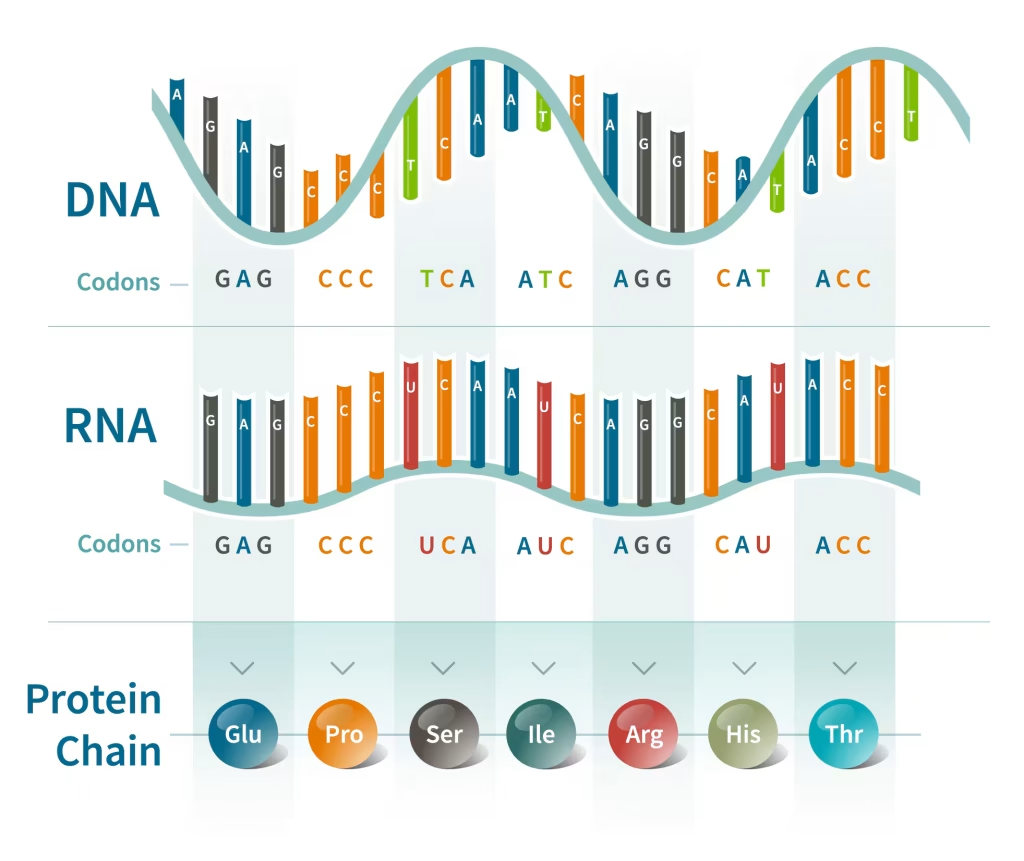
What Is Codon Optimization and Why Should I Care?
Expressing a gene in a non-native host is rarely as simple as handing the ribosome a sequence and hoping for the best. Two organisms can share the genetic code yet translate the same gene with wildly different efficiency — one producing abundant, well-folded protein, the other yielding almost nothing. Tha…
What Is the Real Cost of DNA Synthesis?
Synthetic DNA has largely been viewed as a commodity in the life sciences. Most vendors’ products are indistinguishable — after all, regardless of the underlying synthesis technology, it’s all DNA in the end. In that case, it can seem like the only way to choose between products is price per base. Right? …

DNA Synthesis Explained: Steps, Enzymes, and Importance
DNA synthesis—the process of building DNA molecules from individual nucleotide building blocks—is fundamental to all life on earth and underpins modern biotechnology. While cells naturally synthesize DNA during replication, scientists have developed powerful methods to create custom DNA sequences in the l…
Chemical vs. Enzymatic DNA Synthesis Techniques
Synthetic DNA powers breakthroughs in research, biopharma, and technology — but not all synthesis methods are equal. Explore how traditional chemical approaches compare with next-generation enzymatic techniques, and why Ansa is driving the future of faster, greener, and more accurate DNA synthesis.